
China’s Xteink E-Reader Is Tiny, Cheap and Primitive. Yet It Has Become an Unexpected Viral Hit
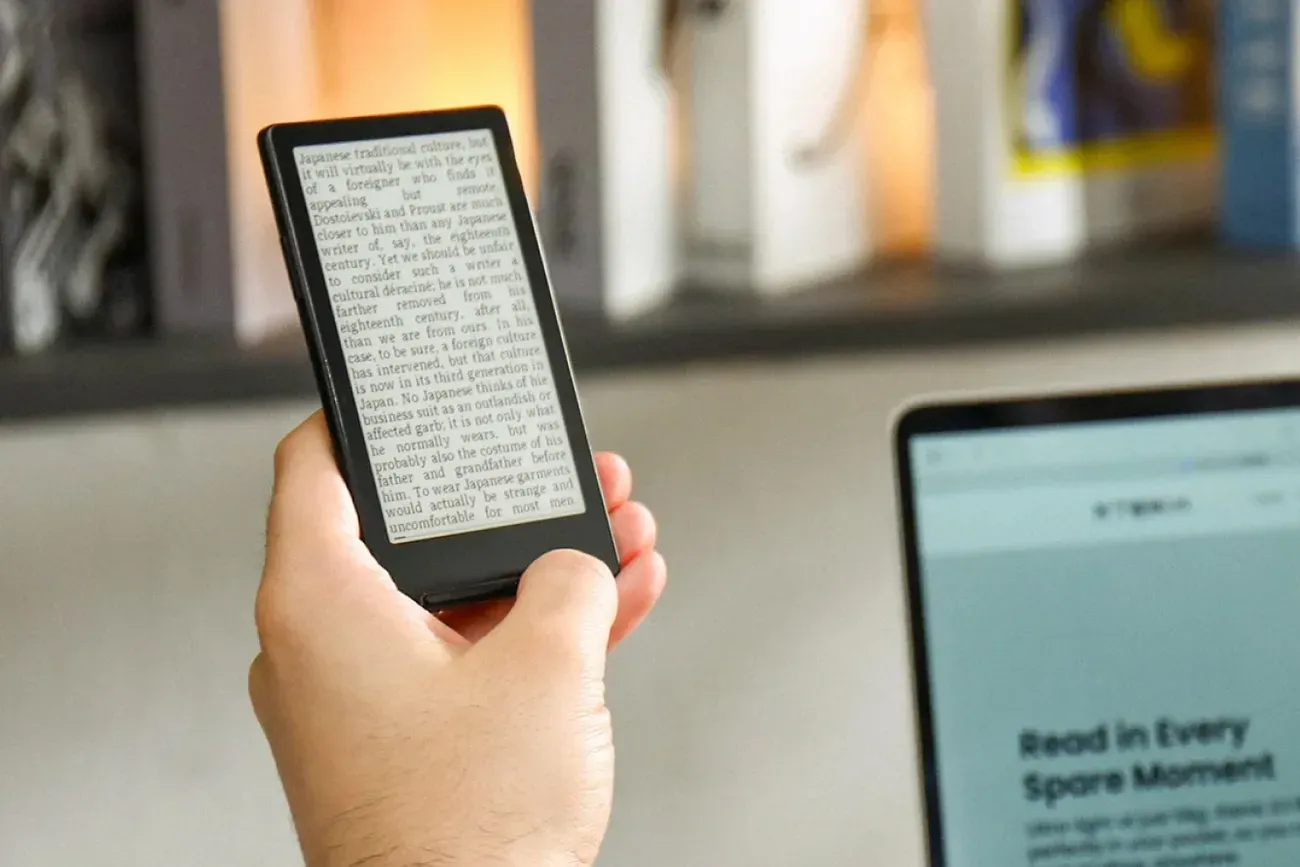
Bloggers are already talking about the phenomenon of “TikTok-ifying reading”
An unexpected bestseller has emerged in the e-reader market: the Chinese-made Xteink. This miniature device is only slightly larger than a credit card, costs around €69, and can even be attached to the back of a smartphone.
The device has gained popularity thanks to viral reviews on social media. Users say Xteink helps them replace endless scrolling through social media feeds with reading books. The e-reader currently tops Amazon’s “Hot New Releases” ranking in the U.S. e-reader category, outperforming several Kindle models.
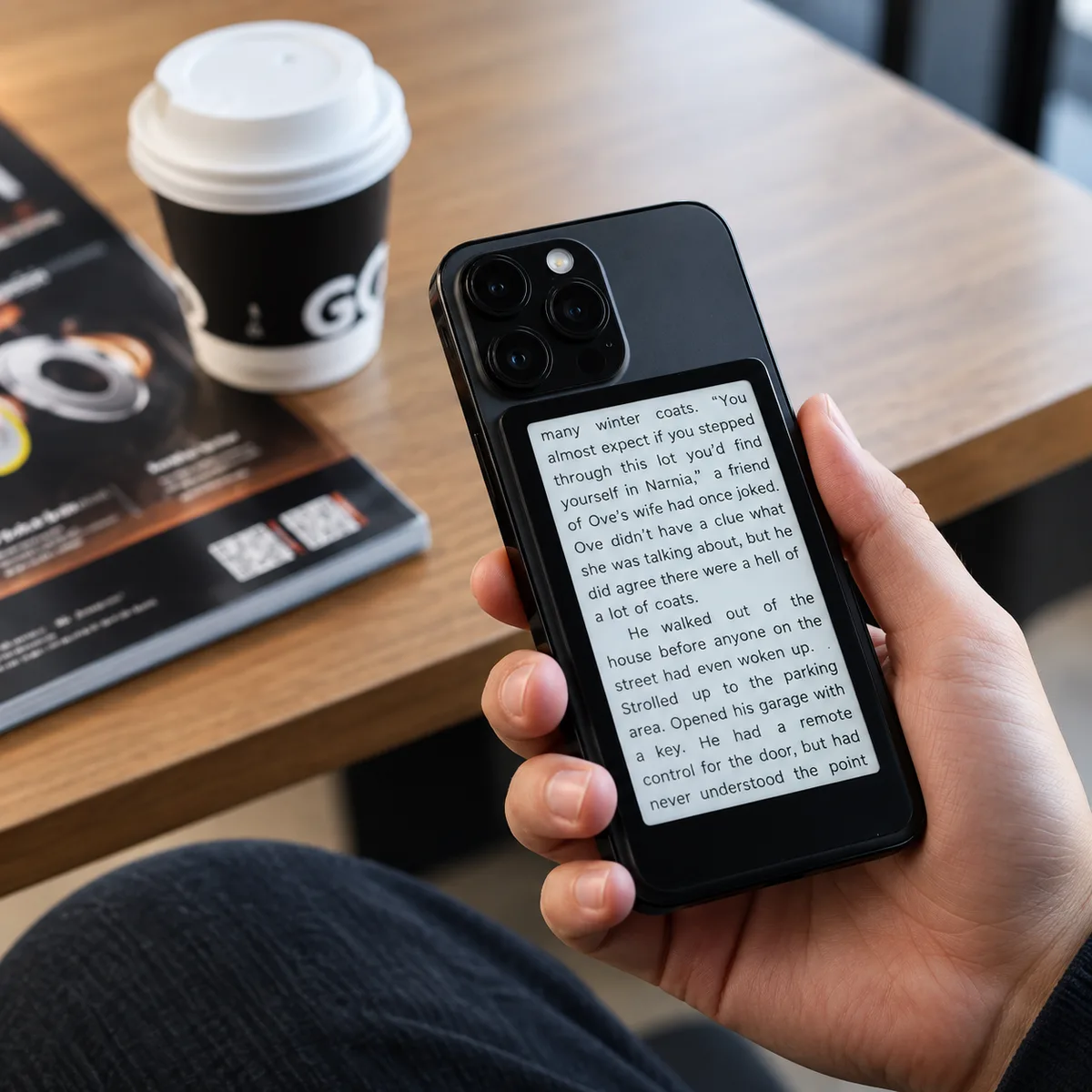
The company behind Xteink is registered in Hong Kong. The basic Xteink X3 model is available in black and gray. It weighs just 58 grams and is 5.1 millimeters thick. The device comes with 16 GB of internal storage, which can be expanded up to 256 GB.
The reader supports major file formats, including TXT, EPUB, MOBI, PDF, JPG and PNG. At the same time, the feature set of the basic model is extremely limited: it has no touchscreen, no color display, and not even a built-in backlight for reading in the dark.
The company has since released two more advanced models, the Xteink X4 Classic and Xteink X4 Pro. Both feature a touchscreen and a backlight and are priced at €79 and €99 respectively.
Software remains one of Xteink’s weakest points. The device cannot display book covers, for example, and does not always format text correctly. Enthusiasts, however, have already begun addressing these shortcomings themselves. An alternative firmware called Crosspoint has been developed for the Xteink, significantly expanding the device’s functionality.
Discussion around the Xteink intensified after an article by The Atlantic columnist Saahil Desai. The journalist shared his experience with the device and described it as one of the best technological inventions of recent years—so successful, in his view, that it outshines much of what Silicon Valley has produced.
His first impression, however, was quite different. As Desai writes, the Xteink could easily be mistaken for another cheap gadget aggressively promoted by influencers on TikTok. Even the brand name, he notes, sounds as though it might have been generated by artificial intelligence.
But in everyday use, the device turned out to be surprisingly effective. During the two months before buying an Xteink, Desai had read only one book. In the month after getting the tiny e-reader, he finished three. And, according to him, he did not have to make any special effort to read more.
At the same time, his average daily iPhone usage dropped by about 25 minutes. “I found myself reading on my commute, while waiting in line at a museum, and even during Netflix commercials,” Desai writes.
According to users, the Xteink’s greatest advantage is its tiny size. Its display is roughly half the size of the smallest Kindle screen, yet the text remains large enough to read comfortably.
And, strangely enough, that small screen changes the way people read. A single Xteink page contains only one or two short paragraphs. That creates an urge to finish the page—and once you move on to the next one, it is easy to keep going. Reading gradually turns into a series of short, quick interactions, almost like watching short videos or endlessly scrolling through a social media feed.
Bloggers who have described a similar experience have already given the phenomenon a name: the “TikTok-ification of reading.”
Desai himself admits that the idea sounds somewhat alarming. But, he argues, the result is difficult to ignore. Now, whenever he has a few spare minutes, he has an alternative to Instagram and endless doomscrolling. And he does not even have to put his phone away. He simply flips it over and switches from the “bad screen” to the “good screen.”
In Desai’s view, the consumer electronics market has become increasingly predictable in recent years. Manufacturers keep releasing more expensive and more complex devices that often differ from one another only in technical specifications.
Against that backdrop, the Xteink feels like the opposite of a modern gadget. It is cheap, tiny, technically imperfect and, in many ways, primitive. But that simplicity may be precisely what makes it so appealing.
Perhaps users do not always need another smartphone packed with dozens of new features. Sometimes a small device that does one simple thing—and encourages you to do it more often—is enough.
No comments yet.
No comments yet.